Can you build a proxy platform from scratch?
Yes. We can develop a standalone platform around your proxy network, business model, products, and brand. The work can cover the network services, business backend, and interfaces your team and customers will use.
You do not need to adopt P2PSDK or ProxyRequest to commission development. We start with the service you want to operate and define the architecture and implementation scope for it.
Which parts of the platform can you develop?
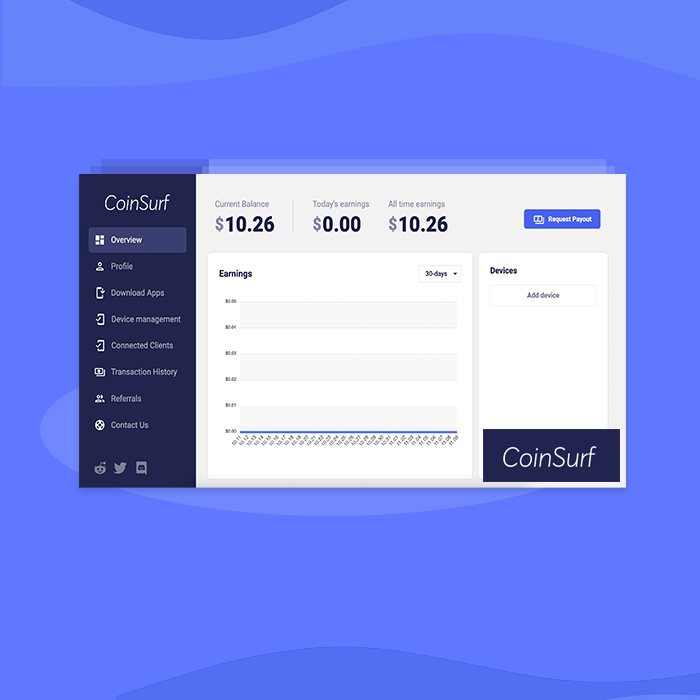
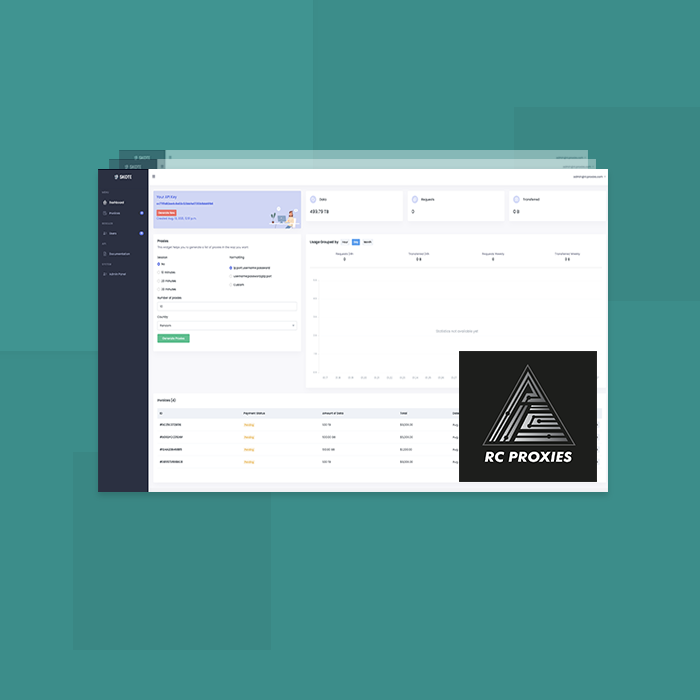
The scope can include the proxy engine, device and pool management, mobile and desktop SDKs, traffic accounting, accounts and access controls, management APIs, and operator and customer dashboards.
We can also connect packages, balances, and usage records to billing and payment workflows. These components are specified together so that network activity, customer access, and business records use consistent rules.
What do you need from us to start?
Tell us who will use the service, what they will purchase or integrate, which network resources are available, and which systems already exist. Expected traffic, concurrent connections, target devices, deployment requirements, and business constraints help define the scope.
A finished technical specification is not required for the first discussion. We can work with you to document the requirements, identify open questions, and agree the responsibilities and acceptance criteria.
How are scope, delivery stages, and cost defined?
We break the requirements into components, integrations, and complete user workflows. The estimate depends on that scope, the supported platforms, expected load, existing systems, and deployment requirements.
A first release can focus on the core path from customer access to a working proxy connection and recorded usage. Additional product types, billing automation, dashboards, and operating tools can follow in agreed stages. Each stage has defined deliverables and acceptance checks.
How do you verify the platform before launch?
We check the agreed workflows across service boundaries: authentication and access rules, routing and sessions, traffic records and balances, management APIs, and the actions customers and operators take in their dashboards.
Load and failure scenarios are based on the requirements for the project. We agree what must be demonstrated before launch, including expected traffic patterns, error handling, and the operating visibility needed to investigate problems.
How are deployment and handover organised?
We agree the target infrastructure, development and production environments, configuration, service access, monitoring, and deployment responsibilities as part of the implementation plan.
The handover scope defines the documentation and operating instructions your team needs. Source-code access, the materials to be delivered, and responsibility for running each component are agreed for the project.
What happens after the first release?
The service can continue with an agreed scope for maintenance, fixes, and product development. Further work may include new integrations, product types, device platforms, operating tools, or changes to capacity.
We use actual operating requirements and usage to plan the next stage. Support coverage, maintenance responsibilities, and the process for requesting changes are defined for the engagement.
Can we use our existing proxy pool?
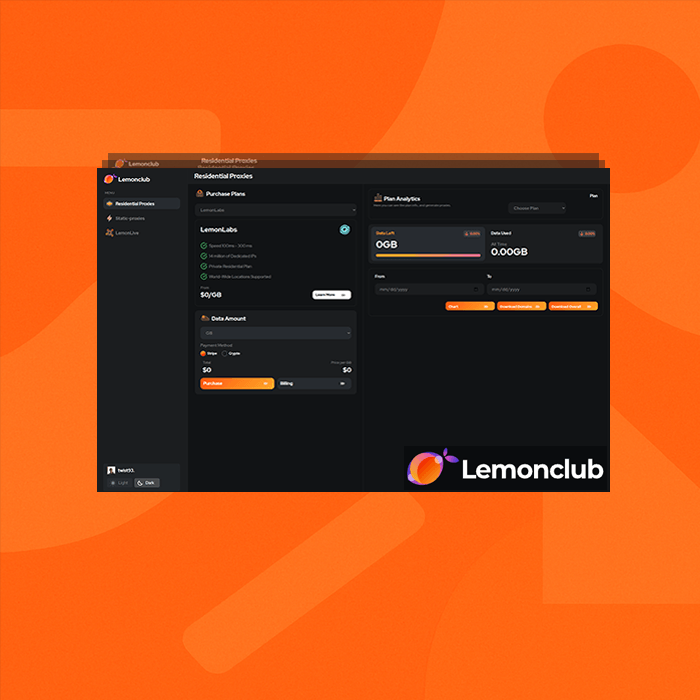
Yes. The platform or integration can be built around your network resources and customer products. LemonClub and ProxyVenture operate their residential pools using our proxy engine and management capabilities.
Do we need to replace our customer dashboard?
We can connect an existing interface, account system, or business backend through defined APIs and workflows. Replacing the customer dashboard is only part of the work if your requirements call for it.
ProxyRequest also supports API integration when a ready-made platform fits the scope. We can assess which parts of your existing system to connect and which components need custom development.